Read the shape before the words
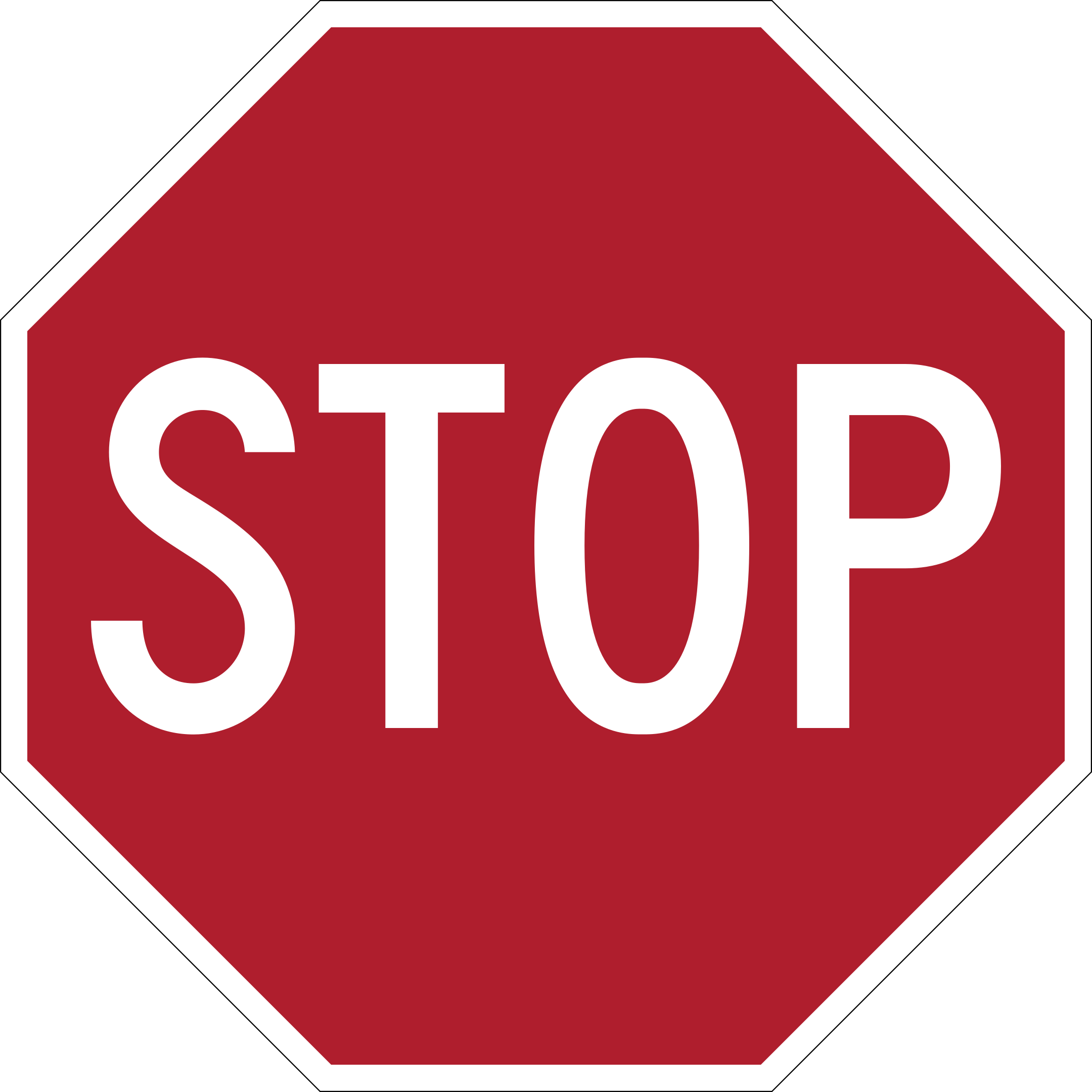
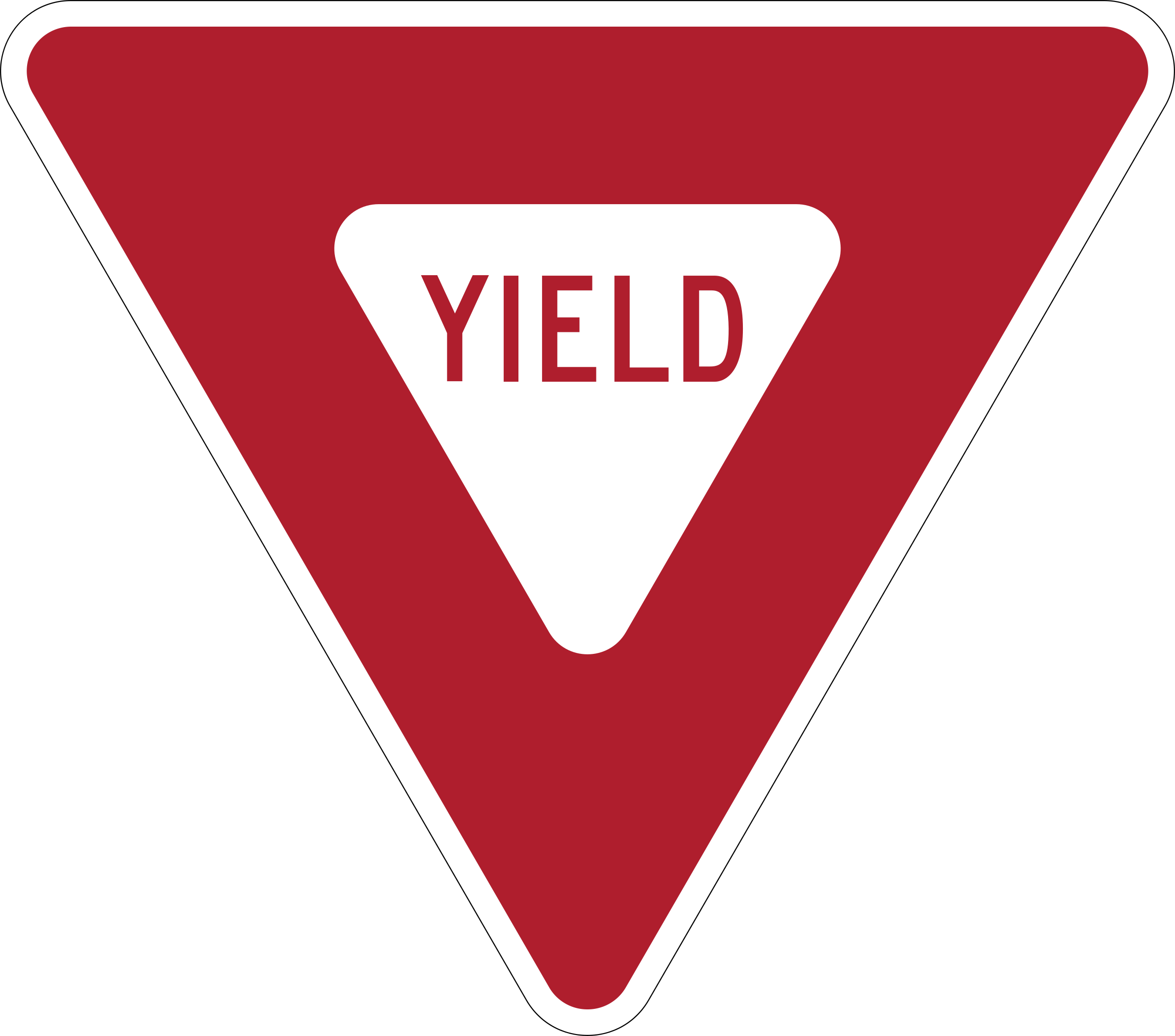
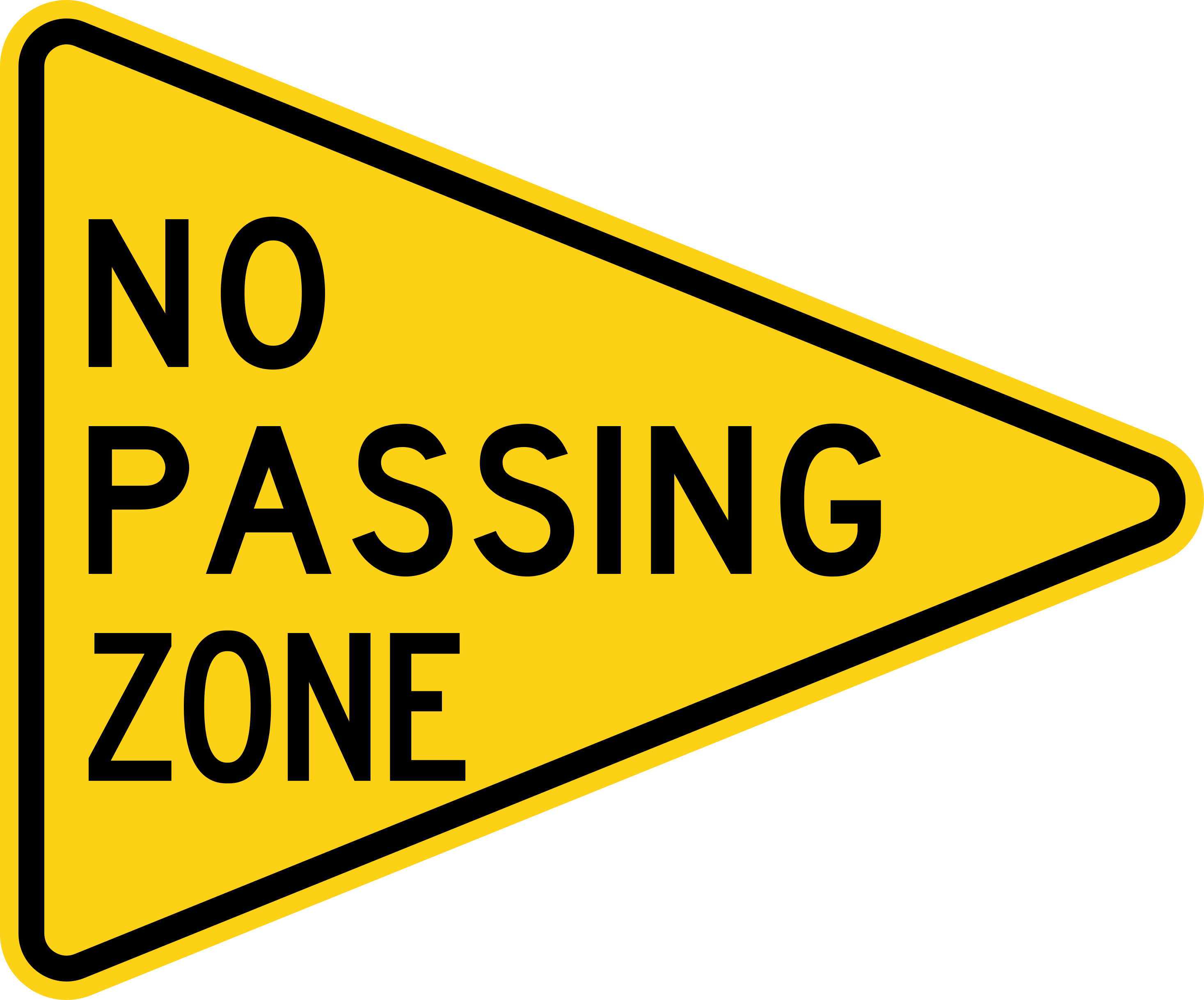
Road signs in the United States follow one national standard, the Manual on Uniform Traffic Control Devices (MUTCD). The system is built so that you can tell what kind of message a sign carries from its shape and color alone, long before you are close enough to read it. That is useful on the road, and it's a gift on the test: even a sign you've never seen can usually be narrowed down to one answer if you know the system.


What each color means
| Color | Meaning |
|---|---|
| Red | Stop, yield, do not enter, wrong way, and prohibitions (the circle-and-slash). |
| Yellow | General warning of hazards or changes ahead. |
| Fluorescent yellow-green | School, pedestrian and bicycle warnings — designed to stand out. |
| Orange | Temporary work zones and construction. Fines are often higher here. |
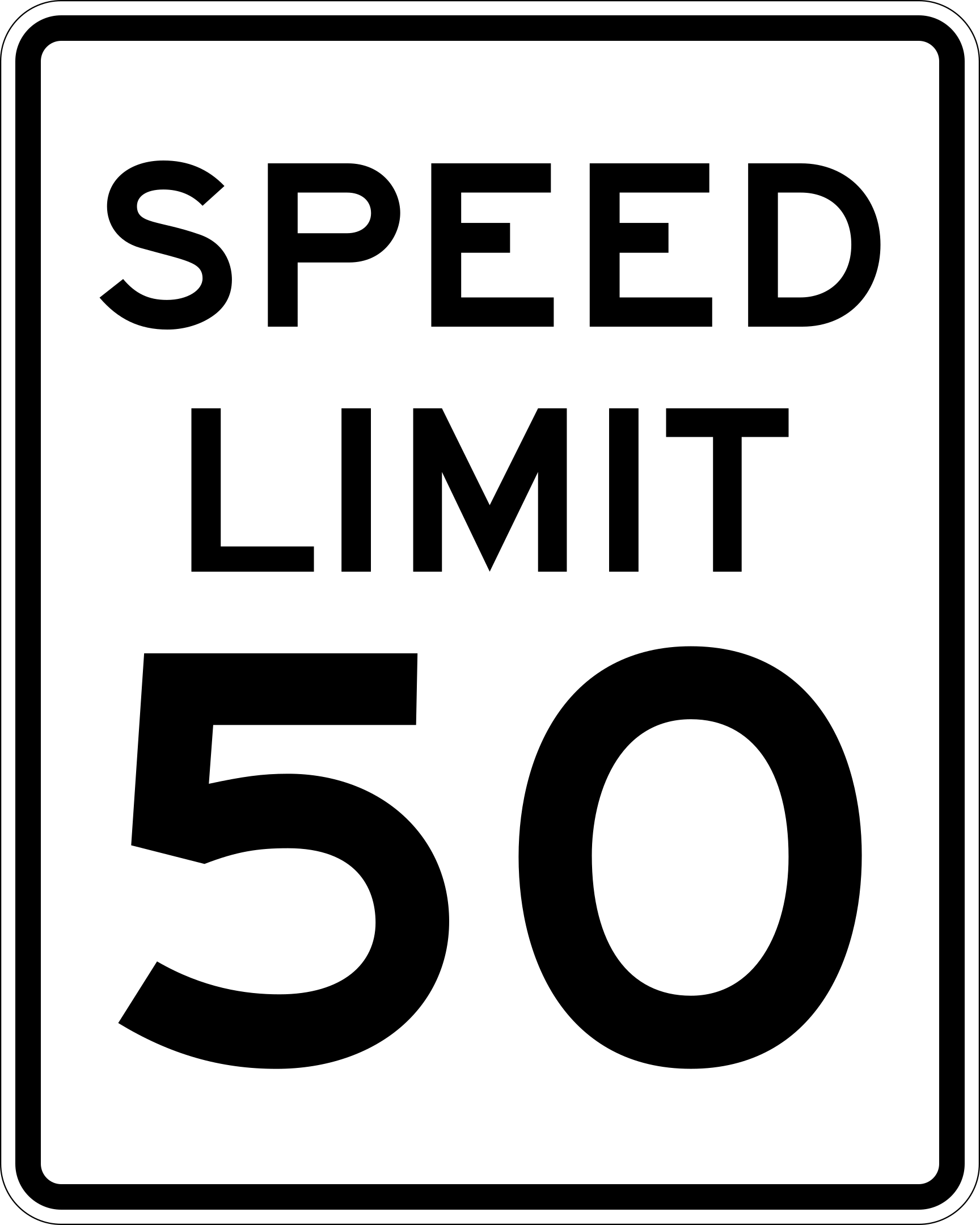
| White | Regulatory: these are laws, like speed limits. |
| Green | Guide signs: directions, exits, distances. |
| Blue | Motorist services: gas, food, lodging, hospitals; also accessible parking. |
| Brown | Recreation and cultural sites such as parks and historic areas. |
Regulatory signs: the law
Regulatory signs tell you what you must or must not do. They are mostly white rectangles with black or red lettering, plus the special shapes for STOP and YIELD. The red circle with a diagonal slash always means the action pictured is forbidden — no U-turn, no left turn, no trucks. Breaking a regulatory sign is breaking a traffic law, so these are the signs examiners care about most.
Watch for the pair DO NOT ENTER and WRONG WAY. They mark the exit end of one-way roads and freeway ramps. If you ever see WRONG WAY facing you, you are driving against traffic; pull over safely and turn around.
Warning signs: something is coming
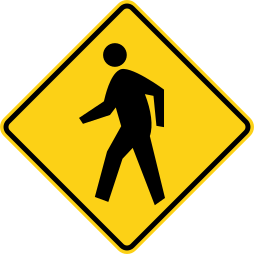
Yellow diamonds warn you about conditions ahead: curves, merges, lanes ending, signals or stop signs you can't see yet, slippery surfaces and animal crossings. The correct response to almost every warning sign is the same — slow down and be ready. Curve signs in particular mean slow down before the curve, not in it. Some warning signs carry a smaller yellow plaque with an advisory speed; that's the safe speed through the curve in good conditions.
The fluorescent yellow-green variety marks school zones, pedestrians and bicycles. The pentagon shape is reserved for schools, and many states lower the speed limit and raise fines when children are present.
Railroad signs
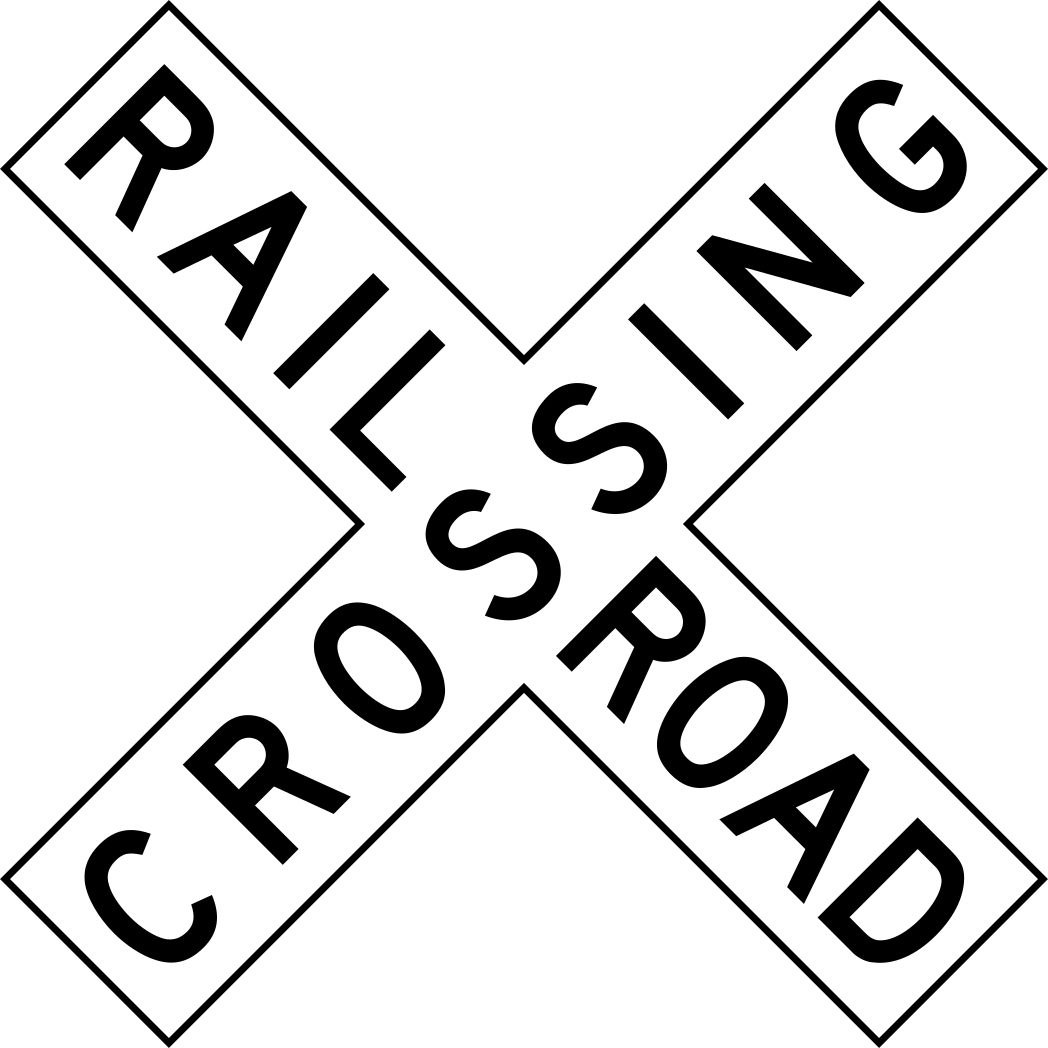
Railroad crossings use three distinct devices, and tests love them. The round yellow advance sign with an X and two Rs comes first, warning that a crossing is ahead. The white X-shaped crossbuck stands at the crossing itself; treat it as a yield sign. Flashing red lights and lowered gates mean a train is coming — stop at least 15 feet from the nearest rail and never drive around the gates. Many crossings also have a blue-and-white emergency notification sign with a phone number and crossing ID to call if your vehicle stalls on the tracks or a signal is malfunctioning.
Work zone signs
Orange means temporary traffic control. You'll see ROAD WORK AHEAD, flagger symbols, lane closures and detours. Obey flaggers exactly as you would a signal, slow to the posted work-zone limit and expect sudden stops. Most states increase fines for speeding in work zones, and some double them when workers are present.
Guide and service signs
Green signs show directions, exits and distances. Blue signs point to services: gas, food, lodging and hospitals. Brown signs mark parks and recreation. Interstate shields are red, white and blue; even-numbered interstates generally run east–west and odd-numbered ones north–south. These rarely trip anyone up, but they are easy points.
Pavement markings count too
Many sign sections also include pavement markings. Yellow lines divide traffic moving in opposite directions; white lines divide lanes moving the same way. Solid means stay on your side; broken means you may cross when safe. A white diamond in a lane marks a reserved lane such as HOV. Our practice permit test covers markings in more depth.
How to study signs efficiently
- Memorize the eight shapes and eight colors above. That alone answers a surprising number of questions.
- Take the quiz once and note which signs you missed.
- Use Retry the ones I missed until you score 100%.
- Over the next few days, name signs out loud when you are a passenger. Real-world repetition locks them in.
Then move on to the full DMV written test topics, where signs are only one part of the exam.